
The Household Chemical Exposure
Silent SpringThis flow follows Carson’s movement from cheerful consumer products to the cumulative hazards of pesticides in domestic life.
increasing Bearing strength in each event
 decreasing
Bearing strength in each eventdecreasingPoisons on the Store Shelf
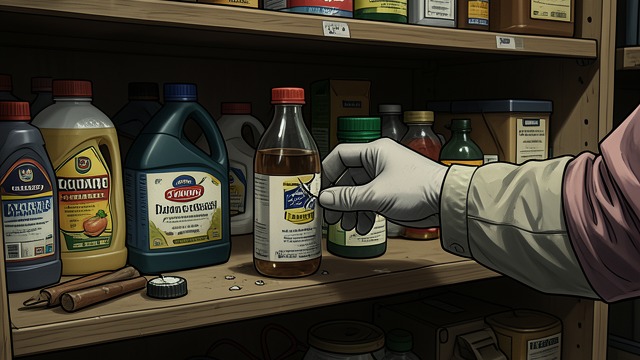
Everyday Products
Familiar Packaging
Household pesticides appeared in supermarkets and hardware stores alongside ordinary goods. The products’ placement and cheerful advertising softened awareness that some contained potent poisons.
A Consumer’s Blind Spot
Labels could hide the chemical identity in fine print or provide warnings that few users noticed. Carson portrays consumer choice as constrained by missing or obscured information.
The Home Is Treated
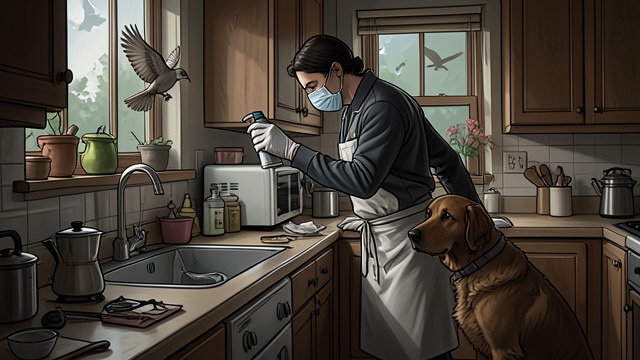
Exposure Moves Indoors
Many Applications
People could use sprays in kitchens, vaporizers in rooms, treated papers in cupboards, and insecticides on clothing or lawns. Domestic routines created repeated opportunities for contact.
No Clear Boundary
A product intended to kill insects might also expose the person applying it, family members, pets, and water supplies. The household became part of the same environmental system as fields and forests.
A Gardener Falls Ill
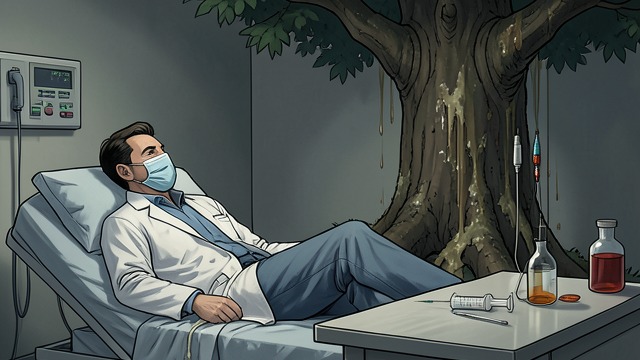
An Exposure Case
Regular Use
Carson describes a physician who used DDT and malathion in his garden and was often soaked by spray. After repeated applications, he collapsed and required hospital care.
Lasting Injury
Tests found accumulated DDT, and the man suffered extensive nerve damage and weakness. The case challenges the assumption that a familiar garden product is harmless because it is used outside the workplace.
Warnings Go Unread

Information Fails to Travel
Small Print
Warnings on containers could be printed inconspicuously, and an industrial survey found that most users of insecticide sprays were unaware of them. The presence of a label did not ensure informed use.
Risk Becomes Routine
When poison is marketed as a household convenience, exposure can appear normal rather than exceptional. Carson argues that consumers need clear information about chemical identity and danger.
A Public Menace in Private Use
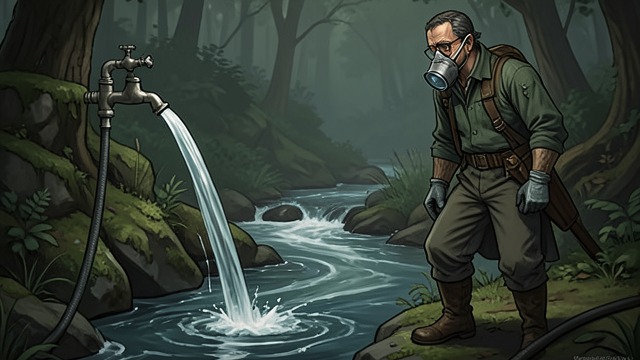
Individual Choices Have Shared Effects
Water and Neighbors
Garden-hose applicators could create back-siphonage risks to public water systems, while airborne treatments could affect people beyond the user’s property. Private purchases therefore had public consequences.
A Need for Public Standards
Carson’s household examples expose the limits of relying on individual caution alone. Regulation and transparent labeling are necessary when ordinary consumer practices can distribute hazardous chemicals beyond the home.
As household insecticides became common
During routine household use
After about a year of repeated lawn and shrub spraying
As consumer surveys examined pesticide use
At the conclusion of Chapter 11
